Khuzestan mosques among Iran’s nominees for UNESCO collective listing: provincial tourism chief
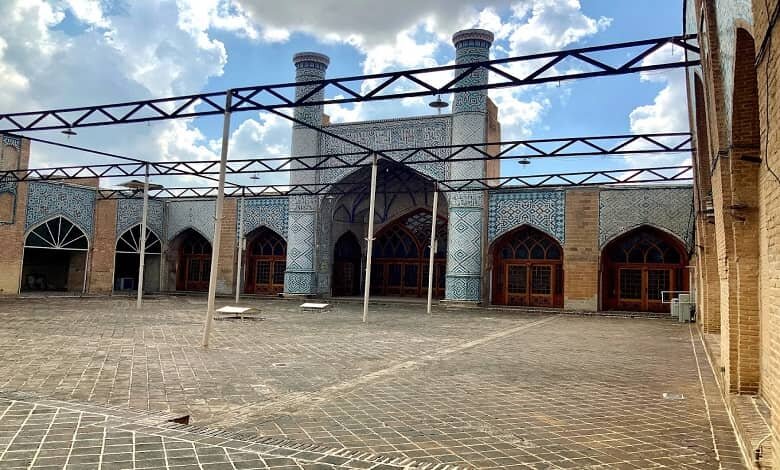
TEHRAN – Several historic mosques in Khuzestan province have been included among Iran’s nominees for a collective UNESCO listing, said Mohammad Jourvand, head of the Khuzestan Cultural Heritage, Tourism and Handicrafts Department.
Speaking to the Tehran Times on Thursday, Jourvand said mosques such as the Jameh mosques of Shushtar and Dezful are among the most important historical religious structures in the country, dating back to the third and fourth centuries of the Islamic calendar, although some sources trace parts of them to the sixth and seventh centuries.
He said the two mosques are key components of the proposed “Persian Mosque” dossier, a serial nomination that includes a number of historic mosques across Iran for possible inscription on UNESCO’s World Heritage List. According to Jourvand, the mosques of Khuzestan are considered among the most influential examples within the collection, and preparatory work for the nomination has been completed. “We participated in the evaluation sessions, and issues related to annexes and documentation have been reviewed and addressed,” he said.
Referring to the Rangooniha Mosque in Abadan, the official noted that although it does not match the historical age of the Jameh mosques of Shushtar and Dezful, it represents a unique architectural and cultural example in Iran. He said the mosque’s distinctive design and use of color, influenced by Indian and Pakistani architectural traditions, make it a rare and notable structure in the country.
Jourvand added that the Rangooniha Mosque is under the ownership of the Khuzestan Cultural Heritage Department and has undergone appropriate restoration work in recent years. “This building is one of the mosques that leaves a strong impression on every visitor,” he said.
Emphasizing the broader role of mosques in Iranian society, Jourvand said their historical function extended beyond worship to education, cultural gatherings, poetry circles and artistic activities. He noted that while mosques played a significant social and cultural role in recent decades, particularly during the years following the Sacred Defense, many of these functions have gradually diminished.
“Reviving the cultural and social role of historical mosques requires renewed attention and planning,” he said.
Iran has placed 17 of its most significant mosques on UNESCO’s Tentative List under the collective title “Persian Mosque,” highlighting the evolution of Islamic architecture in the country from the early Islamic period to the late Qajar era. The nomination aims to demonstrate how Iranian architectural traditions shaped and influenced mosque design across the Islamic world.
KD/AM
Leave a Comment